
Revenue Accelerator Program Information Session Video

Inside a Fund Development Program: What Nonprofits Really Need to Build Sustainable Revenue
For many nonprofit leaders, fundraising can feel reactive—driven by urgent needs, limited capacity, and constant uncertainty. But what if fundraising could be approached as a long-term, strategic system instead?
In a recent info session, nonprofit leaders and program participants came together to discuss a fund development training program designed to do exactly that: shift organizations from short-term fundraising efforts to sustainable revenue strategies.
A Room Full of Real World Challenges
One of the most valuable aspects of the session was the diversity of perspectives in the room. Participants included:
- Executive directors balancing multiple roles after staffing changes.
- Finance professionals looking to strengthen donor relationships.
- Grassroots organizations navigating funding gaps despite significant grant-writing efforts.
- New nonprofits entering the sector without an established track record.
Despite different stages and structures, a common thread emerged: organizations are under pressure to do more with less—and need practical, strategic support to do it well.
Beyond Grant Writing: A Strategic Shift
While many participants came in thinking about grants, the program takes a broader approach. Rather than focusing solely on applications, it emphasizes:
- Building a diversified revenue model.
- Developing a long-term fund development plan.
- Understanding donor relationships and major gifts.
- Creating systems that support sustainable growth.
This shift is intentional. As discussed in the session, grant funding alone is increasingly competitive and unpredictable. Organizations that rely too heavily on it often face instability. Instead, the program helps participants think beyond “How do we get funding?” to “How do we build a sustainable funding ecosystem?”

The Power of Cohort-Based Learning
A standout theme from current participants was the value of learning alongside peers—especially those facing similar regional and sector-specific challenges. What initially raised concerns—joining a cohort within the same geographic region—quickly became a strength. Participants found that:
- Shared context led to more relevant, nuanced conversations.
- Collaboration opportunities emerged, including joint grant applications.
- Peer support reduced the isolation often felt in nonprofit leadership roles.
As one participant noted, simply having someone nearby to “have coffee with and talk things through” became an unexpected but powerful benefit.
Practical Tools, Not Just Theory
The program is structured as a six-month experience combining:
- Weekly sessions (with recordings for flexibility).
- Hands-on assignments tied to participants’ real organizations.
- Direct feedback on submitted work.
- Templates and tools that can be implemented immediately.
Participants work on tangible outputs like:
- A fund development plan.
- A clear case for support.
- Refined messaging and elevator pitches.
- Donor identification and outreach strategies.
This ensures that the learning is not abstract—it directly contributes to organizational capacity.
Addressing Common Barriers
The conversation also surfaced some of the most common concerns nonprofits face:
“We don’t have the budget to invest in fundraising.”
The program challenges this mindset directly: building sustainable revenue requires consistent investment—both time and money.
“We don’t have a track record yet.”
For newer organizations, the focus shifts to articulating a compelling vision, demonstrating need, and building a strong case for support.
“We’re not comfortable asking for money.”
Many participants identified relationship-building and donor conversations as the most challenging—and most valuable—skills to develop.
These are not side topics within the program—they are central to it.

A Focus on Relationships and Long-Term Impact
A key takeaway from both facilitators and participants is that effective fundraising is not transactional, it’s relational. Whether through grants, major gifts, or community support, success depends on:
- Building trust over time.
- Aligning with the right supporters.
- Communicating impact clearly and confidently.
The program is designed to help organizations move into this mindset and build the systems to support it.
More Than a Course—A Network
Beyond the formal curriculum, participants gain access to a broader community of peers and shared resources. While course materials and tools can be retained, the real long-term value often comes from:
- Ongoing peer connections.
- Shared knowledge and opportunities.
- A support network that extends beyond the program itself.
In a sector where leadership can often feel isolating, this kind of connection is not just helpful, it’s essential. For organizations looking to move beyond short-term funding cycles and build a more resilient future, this kind of structured, collaborative approach offers both clarity and momentum.
Watch the video below to learn more:
Learn how more about how our Revenue Accelerator Program can help your organization move beyond reactive fundraising. Sign up for the next information session.
Read More Articles
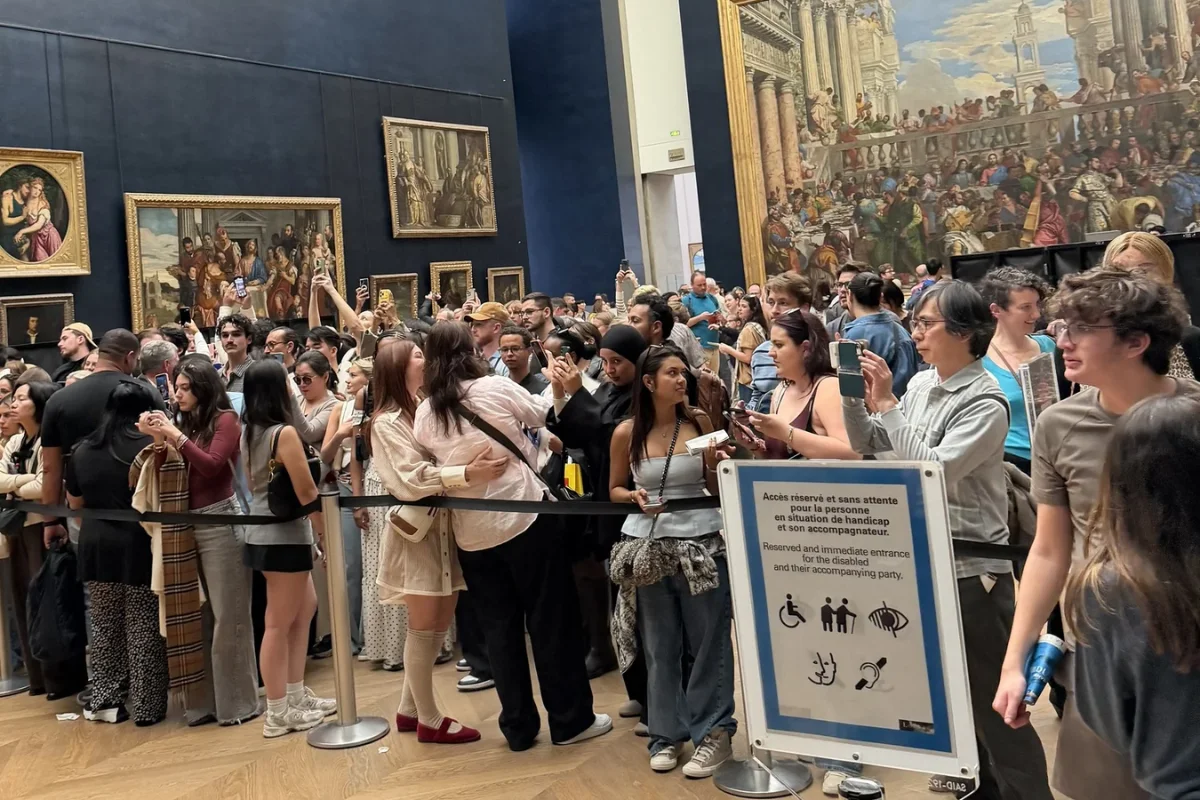
The Painting Behind You: Why Nonprofit Leaders Miss Their Biggest Opportunities
What the Mona Lisa taught me about the opportunities we’re failing to seeI have to be honest with you: I don’t really get the Mona Lisa. On a recent trip to Paris, I stood in the Salle des États at the Louvre, craning my neck past the hundred-person crush to see the...

Smart Tools for Smarter Grant Writing
Exploring AI-Powered Options Nonprofits Can Actually UseArtificial Intelligence (AI) is finding its way into almost every corner of nonprofit work — and grant writing is no exception. For many organizations, the idea of drafting proposals faster sounds like a dream....

Listening – The Heart of Donor Relations
There’s an art and a science to strategic meetings.Here is a great video called Having Strategic Conversations from Karen Osborne, on how to plan a strategic meeting. When I was first starting out in major gift meetings, I remember being soooooo nervous. I wrote...